
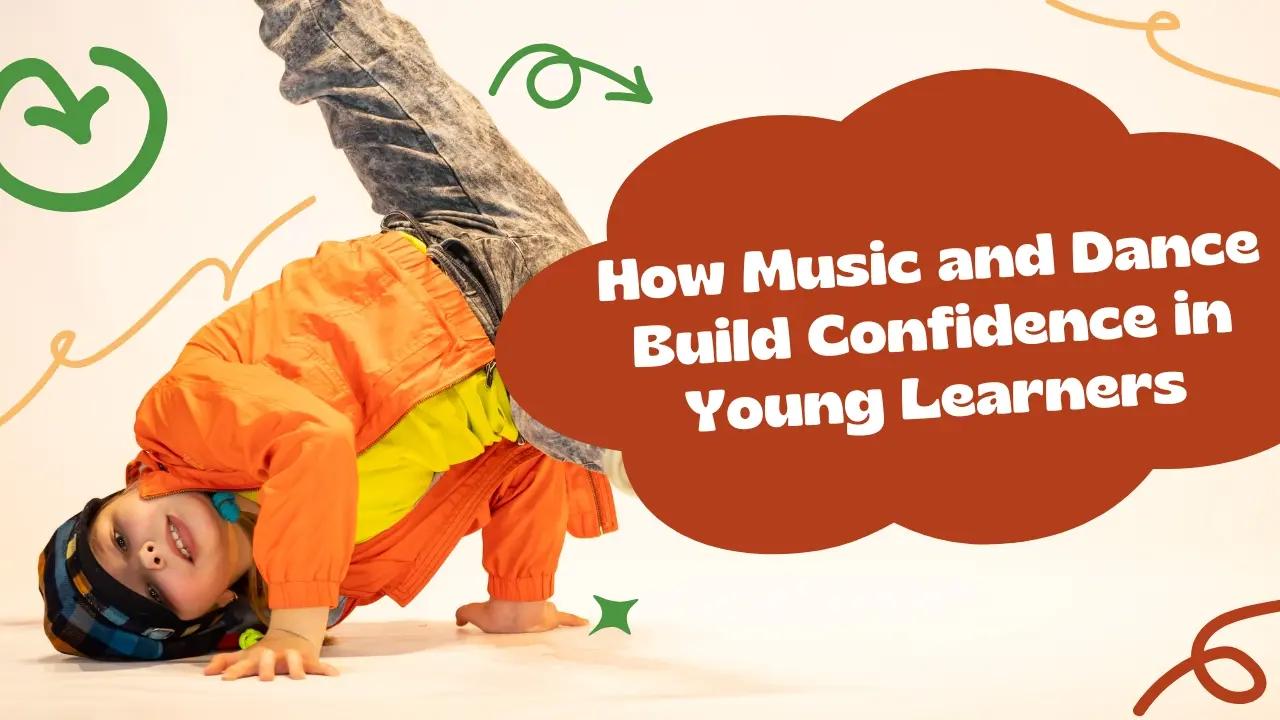
Confidence is one of the most important qualities children develop in their early years. It shapes how they express themselves, interact with others, and approach new experiences. Among the many tools that support this development, music and dance play a powerful role. These creative activities not only bring joy but also help young learners build self-confidence, communication skills, and emotional strength from an early age.
Why Music and Dance Matter in Early Childhood
Early childhood is a crucial phase when children begin to discover their abilities and form their identity. Music and dance provide a safe and expressive space where children can explore movement, rhythm, and creativity without fear of judgment. Unlike structured academic tasks, these activities allow children to express themselves freely.
When children sing songs, clap to rhythms, or move to music, they become more aware of their bodies and emotions. This awareness helps them feel more comfortable in their own skin, which is a key foundation for building confidence. Performing even simple actions in front of others encourages them to overcome hesitation and develop a sense of achievement.
How Creative Expression Builds Confidence
Music and dance encourage children to participate, perform, and express. These experiences gradually reduce shyness and help children feel more secure in social environments.
For example, group singing sessions teach children to use their voice confidently. Dance activities help them coordinate movements and express emotions physically. As they learn new songs or steps, they experience a sense of progress and accomplishment. This builds self-belief and motivates them to try new things.
Applause and encouragement from teachers and peers further boost their confidence. Even small achievements, like remembering a tune or completing a dance move, make children feel valued and capable.
The Role of Group Activities in Social Confidence
Music and dance are often practiced in groups, which makes them excellent tools for developing social skills. Children learn to work together, follow instructions, and stay in sync with others. These group experiences help them feel included and connected.
Participating in group performances also teaches children how to handle attention and interact with an audience. This reduces stage fear and builds the confidence to speak or perform in public settings. Over time, children become more comfortable expressing themselves not just in creative activities but in everyday communication as well.
Simple Ways to Encourage Music and Dance at an Early Age
Music and dance can be easily integrated into a child’s daily routine through fun and engaging methods.
Creating a Positive Environment
Providing a space where children feel free to move, sing, and explore helps them express themselves without fear of mistakes.
Using Interactive Activities
Simple actions like clapping games, action songs, and rhythmic movements make learning enjoyable and engaging.
Encouraging Participation
Allowing children to take part in small performances or group activities helps them gradually build confidence.
Building Confident and Expressive Individuals
Music and dance do more than entertain; they nurture a child’s emotional and social development. Children who regularly participate in these activities tend to be more expressive, confident, and willing to engage with others. They learn to manage their emotions, communicate effectively, and adapt to different situations.
At Ieken TOTS Daycare & Preschool, every child is encouraged to explore their creativity through music and movement. Through engaging activities, guided sessions, and a supportive environment, we help young learners build confidence, express themselves freely, and develop essential life skills that prepare them for the future.