
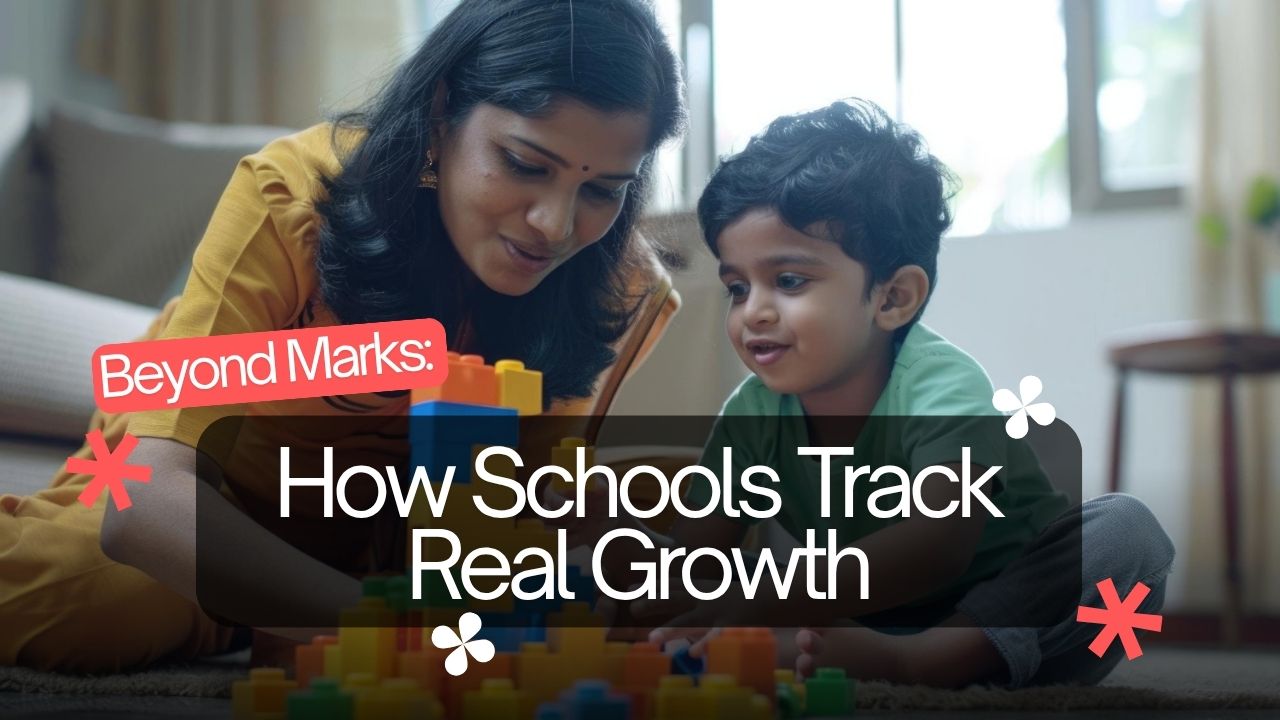
In today’s evolving education system, academic scores alone no longer define a child’s growth. While marks provide a snapshot of subject knowledge, they do not fully capture a child’s abilities, behavior, creativity, or emotional well-being. Modern schools are increasingly adopting holistic assessment methods to understand how children learn, interact, and grow over time.
For parents, understanding how schools track development beyond marks can offer valuable insight into a child’s overall progress and potential.
Looking Beyond Academic
Traditional assessments focus on tests and examinations, but children are much more than their report cards. Schools now evaluate multiple aspects of development, including communication skills, problem-solving abilities, creativity, and participation in activities.
Teachers observe how children approach tasks, how they respond to challenges, and how they collaborate with others. These observations help identify strengths that may not be visible through written exams alone. A child who may not score the highest marks could still excel in leadership, creativity, or critical thinking.
Continuous and Comprehensive Evaluation
Many schools follow a continuous assessment approach rather than relying solely on term-end exams. This method tracks a child’s progress throughout the year using class activities, assignments, projects, and informal assessments.
Such ongoing evaluation reduces pressure on children and provides a more accurate understanding of their learning patterns. It also allows teachers to identify areas where a child may need additional support early on, ensuring timely guidance and improvement.
Focus on Social and Emotional Growth
A child’s ability to manage emotions, build relationships, and adapt to different situations is just as important as academic success. Schools actively monitor social and emotional development by observing interactions with peers, participation in group activities, and behavior in different situations.
Skills such as empathy, teamwork, confidence, and resilience are carefully nurtured. Teachers often provide feedback to parents about how children handle challenges, express themselves, and engage with others, helping build a well-rounded personality.
Encouraging Creativity and Critical Thinking
Modern education emphasizes creativity and independent thinking. Schools track how children express ideas through art, storytelling, problem-solving tasks, and innovative projects.
Rather than focusing on right or wrong answers alone, educators assess how children think, question, and explore concepts. This approach encourages curiosity and helps children develop skills that are essential for real-world success.
Use of Portfolios and Activity Records
Many schools maintain student portfolios that include samples of work, project reports, artwork, and activity participation. These records provide a detailed view of a child’s progress over time.
Portfolios allow both parents and teachers to see improvement in skills, effort, and understanding. They also highlight achievements beyond academics, such as participation in sports, cultural events, or extracurricular activities.
Teacher-Parent Collaboration
Regular communication between teachers and parents plays a key role in tracking a child’s development. Parent-teacher meetings, progress reports, and feedback sessions help ensure that both sides are aligned in supporting the child’s growth.
Teachers share observations, while parents provide insights into the child’s behavior and learning at home. This collaboration creates a more complete picture of the child’s development and helps address any challenges effectively.
A Holistic Approach to Growth
At Ieken TOTS Daycare & Preschool, the focus goes beyond marks to nurture every aspect of a child’s development. Through structured learning, play-based activities, and personalized attention, children are encouraged to grow academically, socially, and emotionally.
When schools adopt a holistic approach, children are not pressured to perform only for marks. Instead, they are guided to explore their strengths, build confidence, and develop essential life skills. Tracking development beyond marks ensures that every child is supported in becoming capable, confident, and future-ready.