
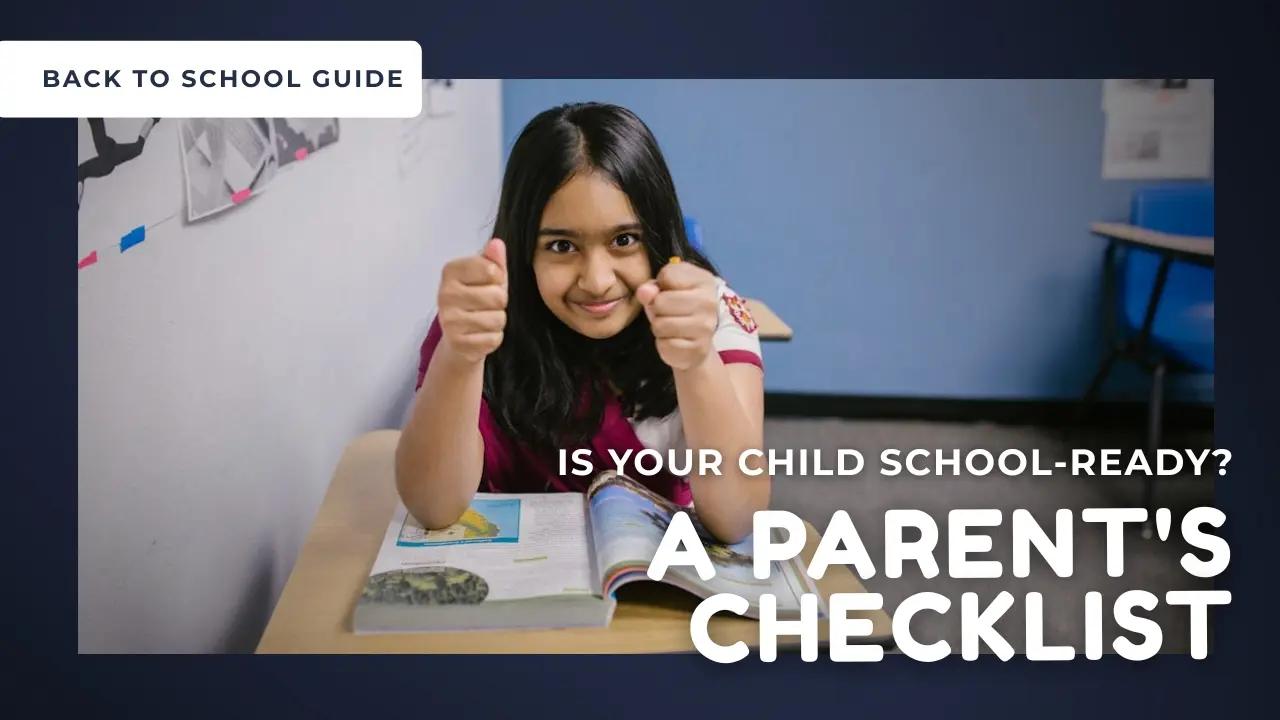
Starting school is a big milestone not just for children, but for parents too. While many assume school readiness is about knowing the alphabet or counting numbers, it actually goes far beyond academics. A child’s ability to adapt to a structured environment, interact with others, and manage simple tasks independently plays a crucial role in how smoothly they transition into school life.
Understanding school readiness helps parents prepare their child in a balanced way, ensuring they feel confident, comfortable, and excited about this new journey.
Understanding School Readiness Beyond Academics School readiness is a combination of cognitive, social, emotional, and physical development. While basic literacy and numeracy skills are helpful, they are not the only indicators. Children should also be able to follow instructions, express their needs, and engage in simple activities without constant assistance.
Each child develops at their own pace, so readiness should not be measured by comparison but by observing individual growth and comfort levels.
Basic Communication Skills A school-ready child should be able to communicate their needs clearly. This includes speaking in simple sentences, understanding instructions, and responding appropriately. Communication also involves listening skills being able to pay attention when a teacher or peer is speaking.
Encouraging conversations at home, storytelling, and interactive play can help strengthen these abilities.
Social Interaction and Sharing School introduces children to group environments where cooperation and sharing become essential. A child should be able to interact with peers, take turns, and participate in group activities.
It’s normal for children to take time to adjust, but early exposure to playgroups or social settings can help them become more comfortable around others.
Emotional Readiness and Independence One of the most important aspects of school readiness is emotional stability. Children should be able to manage short separations from parents without excessive distress. They should also begin to develop independence in small tasks like eating, packing their bag, or tidying up toys.
Building routines at home can help children feel more secure and prepared for a structured school day.
Ability to Follow Instructions In a classroom setting, children are expected to follow simple directions such as sitting in place, completing an activity, or lining up. A school-ready child should be able to understand and act on basic instructions.
Parents can support this by giving small tasks at home and encouraging children to complete them step by step.
Fine and Gross Motor Skills Physical development also plays a key role in readiness. Fine motor skills include holding a pencil, coloring, or turning pages, while gross motor skills involve running, jumping, and maintaining balance.
Activities like drawing, building blocks, and outdoor play help strengthen these skills, making it easier for children to participate in classroom activities.
Curiosity and Willingness to Learn A natural sense of curiosity is a strong indicator of readiness. Children who ask questions, explore their surroundings, and show interest in learning new things tend to adapt more easily to school environments.
Instead of focusing only on structured learning, parents should encourage exploration, creativity, and problem-solving through play.
Establishing a Routine A consistent daily routine helps children understand structure and expectations. Regular sleep schedules, meal times, and playtime routines prepare them for the rhythm of a school day.
Practicing a “school-like” routine at home such as waking up at a fixed time and engaging in structured activities can make the transition smoother.
Parental Role in Preparing a Child Parents play a vital role in building school readiness. Simple actions like reading together, encouraging independence, and providing opportunities for social interaction can make a significant difference.
It’s also important to create a positive attitude toward school. Talking about school as a fun and safe place helps reduce anxiety and builds excitement in children.
A Balanced Start to Learning
At Ieken Future School , the focus is on preparing children not just academically, but holistically. Through play-based learning, guided activities, and a nurturing environment, children are supported in developing the skills they need to thrive in school and beyond.
School readiness is not about perfection it’s about preparation. When children feel confident, independent, and emotionally secure, they are more likely to enjoy learning and adapt successfully to new experiences. A thoughtful approach today can set the foundation for a positive and fulfilling educational journey.