
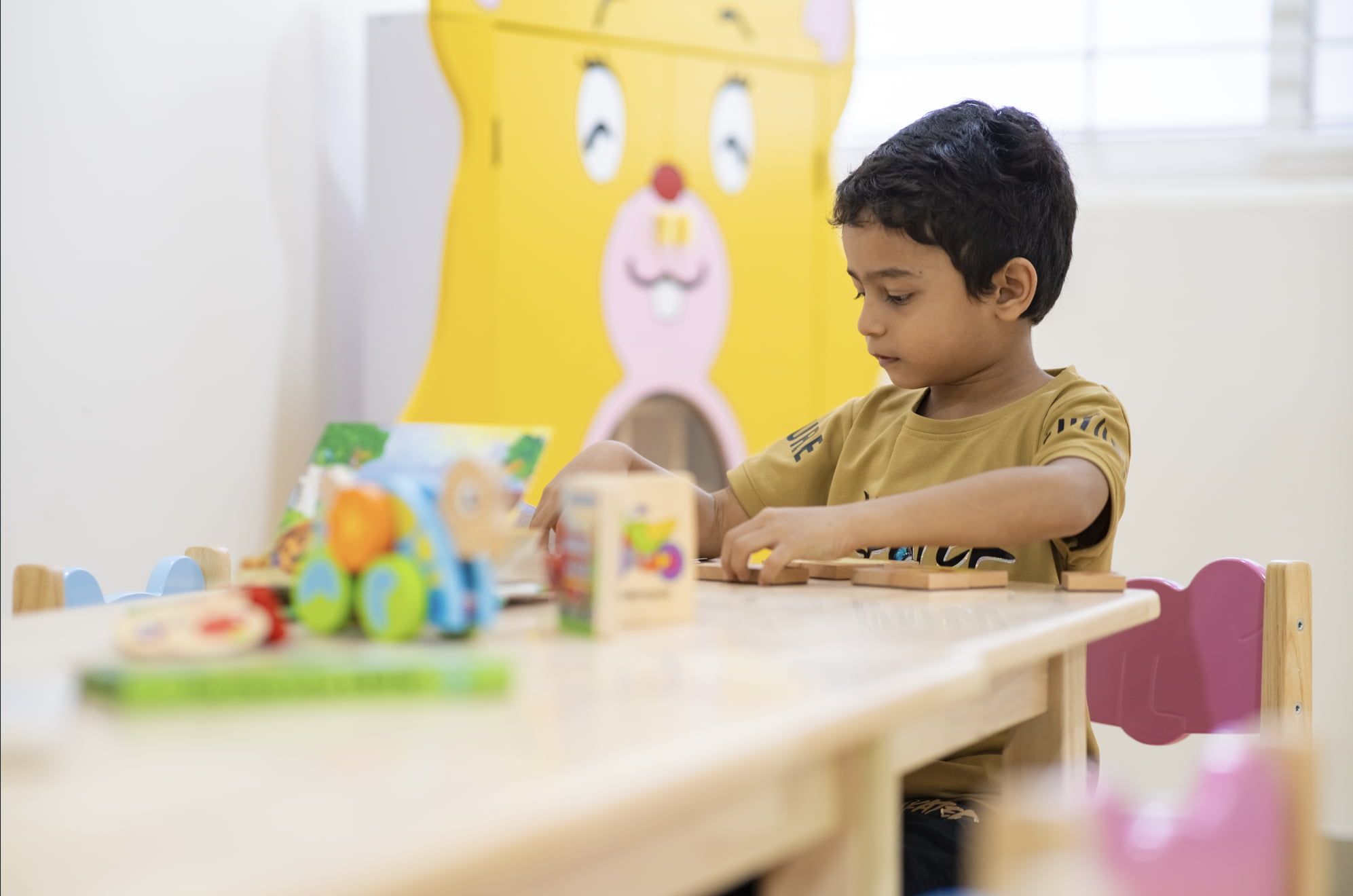
The first five years of a child’s life are a time of rapid growth and discovery. During these years, children develop the building blocks for thinking, communication, emotions, and social skills. What children experience early on shapes how they learn, behave, and adapt as they grow older. This is why choosing the right early learning environment is one of the most important decisions parents make.
How Young Children Learn Best
In early childhood, learning does not happen through pressure or memorization. Children learn best through play, exploration, and everyday experiences. They learn by asking questions, trying new things, and interacting with others. A supportive preschool environment allows children to feel safe and confident, which helps them explore the world with curiosity and joy.
When learning feels enjoyable, children naturally develop a positive attitude toward education. This early love for learning becomes the foundation for future academic success.
Brain Development and Early Skill Building
The brain develops fastest in the first five years. During this time, children build essential skills such as language development, problem-solving, creativity, and social understanding. These skills are not learned through books alone but through meaningful experiences and interactions.
A quality early childhood learning center focuses on overall development rather than only early academics. It supports each child’s growth at their own pace while encouraging independence and confidence.
Learning With Purpose: The Ikigai Approach
The Ikigai framework comes from Japan and means “a reason to wake up every day.” While it is often discussed in adult life, its core idea is very useful in early childhood learning as well. Ikigai is about discovering what you love, what you are good at, how you can contribute, and what gives a sense of value.
In early learning, this does not mean planning for careers. It means allowing children to explore their interests and strengths in a natural way. When children are encouraged to do what they enjoy, feel confident in their abilities, and connect with others, learning becomes meaningful.
A child who enjoys art builds creativity. A child who loves helping others develops empathy. A child who enjoys puzzles builds problem-solving skills. These simple experiences help children understand themselves and grow with purpose.
(Ikigai Framework image can be placed here)
The Role of Play in Early Education
Play is the most powerful way young children learn. Through play, children develop social skills, emotional awareness, and thinking abilities. Activities like storytelling, music, art, movement, and hands-on exploration allow children to express themselves freely while learning important concepts.
Play-based learning also helps children develop focus, imagination, and cooperation skills that support lifelong learning.
Emotional Growth and Social Skills
Emotional development is just as important as academic readiness. Children who feel emotionally secure are more confident and open to new experiences. A caring learning environment helps children understand emotions, build friendships, and develop empathy.
Strong emotional foundations help children handle challenges better as they grow.
Choosing the Right Start
At Ieken TOTS Daycare & Preschool, the focus is on supporting children during their most important early years through a balanced approach to learning, play, and care. By creating a safe, engaging, and nurturing environment, children are encouraged to explore their interests, build essential life skills, and grow at their own pace.
When children receive the right guidance and support in their first five years, they gain a strong foundation that stays with them for life. With the right early learning environment, children grow into confident, happy learners who are ready for the next stage of their journey.
Reach out to us today to learn more or schedule a school visit and take the first step in your child’s learning journey.